When should I fertilize my palm trees

Mia Lopez
Published Jun 25, 2026
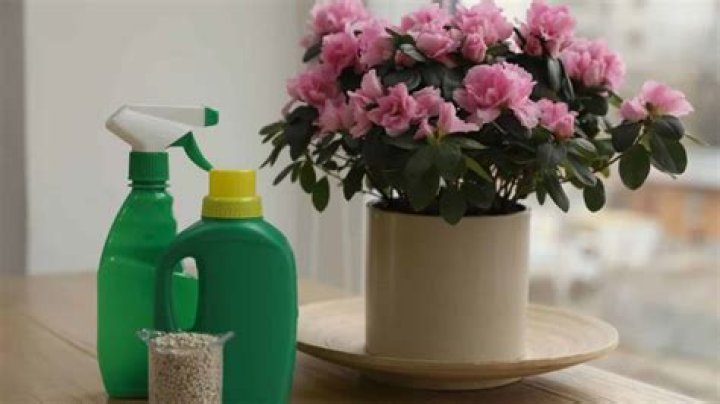
Be sure to fertilize only during the growing season (between April 1 and August 1). Broadcast or scatter the fertilizer under the entire canopy. Do not apply it in a ring around the base of the tree or up against the trunk.
How often should I fertilize my palm tree?
Palm tree fertilizer should be applied one to three times a year, depending on the specific brand’s instructions. Some slow-release fertilizers may say “feeds up to 3 months,” for example. You would apply a fertilizer like this more often than one that “feeds up to 6 months.”
Should you fertilize palm trees in the winter?
Newly planted palms should not be fertilized until after they put out a new spear. That being said, if you live in a region where temperatures drop below freezing during winter, cease fertilization two months prior to the average first-frost date in your area.
What is the best fertilizer for palm trees?
When fertilizing palm trees, it’s important to use a slow-release fertilizer, such as Milorganite, which can work for up to 10 weeks, as it provides nutrients over a longer period of time and reduces the risk of leaching. Quick release fertilizer, especially in sandy soil, can easily wash away after only a few rains.How do I make my palm tree green?
Apply a slow-release 12-4-8 fertilizer to landscape palms every other month during the growing season. On alternate months, apply 2 to 4 pounds of Epsom salts per tree along with a product that contains micro-nutrients for palm trees.
Why does my palm tree have yellow tips?
Fertilizing. Lack of proper nutrients in the soil can cause the tips of palm fronds to turn yellow. If a palm tree does not receive enough nitrogen, potassium or magnesium, it will show up in the color of the leaves. Apply a fertilizer designed for palm trees about three times a year.
How do I keep my palm tree green?
- Performing a soil test is an effective way to determine any lacking vital nutrients in your tree. …
- Fill in the missing nutrients with a slow-release fertilizer once you know the nutrients are lacking in your plant’s soil.
- Route trimming can help keep the tree healthy.
What does Epsom salt do for palm trees?
When used in the right amounts, Epsom salt can be very beneficial for your palms. You can use it to treat or prevent magnesium deficiency. Magnesium sulfate will help keep your soil rich and your palm trees looking green and beautiful.Do palms like coffee grounds?
Coffee grounds in appropriate amounts are good for palm trees. Compared to many other trees, palms have very shallow root systems. Coffee grounds are acidic, which is not suitable for palm trees.
How often should palms be watered?A new indoor Palm Tree should be watered every day in its first week. Next, move to every other day in its second week. Then settle for 3 times a week on the third. Once your indoor Palm Tree is completely settled, water it 2-3 times per week, or when the top 1-2 inches of the soil is completely dry.
Article first time published onWhat do you put around palm trees?
Mulch helps your palms in a many ways. It keeps weeds and grasses from growing up close to the palm and sapping nutrients and water from its root zone. It also conserves moisture, making irrigation more efficient and increasing a palm’s drought tolerance during hot, dry weather.
Can I use Miracle Grow on my palm tree?
Miracle Grow Shake and Feed is great for palms, and all tropical plants. Best part is one only has to apply every 3 months!
What causes brown tips on palm trees?
Brown tips on the fronds of the palm tree could mean that the tree’s water supply is inhibited either by not getting enough water or by the roots being oversaturated with too much water. Check the soil between 6 and 12 inches below the surface. Soil should be moist but not soggy wet or crumbling dry.
Should you cut off dead palm leaves?
Experts recommend that you wait until spring to prune your palm tree. Those dead fronds may be somewhat unattractive, but they will help protect the palm from summer’s heat and winter’s cold. … Remove any hanging, dead or unhealthy fronds. All dry, wilted, or diseased fronds should be removed.
How often do palm trees need to be trimmed?
Frequency. Palm trees need only be trimmed when the oldest fronds on the tree have turned brown, dry and dead. As palm trees grow, new fronds are formed every year and the oldest fronds die. As a result, trimming should not be necessary more than once or twice per year.
Is Baking Soda Good for palm trees?
I don’t think baking soda is anything you need to apply to your palm trees. … In general, palms need adequate water and sunshine. Browning fronds can indicate a water stress, wind burn, fertilizer burn or salt build up in the soil.
Should I cut off Brown palm leaves?
Palms replace their leaves throughout the growing season. … Cut leaves that are entirely brown or yellow at the base – near the stem or at the soil. Be sure not to tug the leaves, as this can damage healthy parts of the plant. If only part of the leaf is brown or yellow, remove only the affected area.
Can a yellow leaf turn green again?
Yellow leaves are often a sign of stress, and it’s generally not possible for yellow leaves to turn green again. Poor watering and lighting are the most common reasons, but fertilizer problems, pests, disease, acclimatization, temperature extremes, or transplant shock are other potential causes.
How do I know if my palm tree is overwatered?
- Palms trees start to lose their leaves.
- Wilted leaves and fronds.
- Leaf discoloration – yellow or brown palm tree leaves that start falling off before drying.
- Younger foliage and new emerging leaves turning brown.
- Nutrient deficiencies caused by excess water, e.g. chlorosis.
How do I treat yellow leaves on my palm tree?
- Perform a soil test–a surefire way to figure out if any vital nutrients are missing. …
- Based on the test results, replenish your plant’s soil with missing nutrients with a slow-release fertilizer. …
- Moving forward, keep your palm on a proper fertilization schedule.
Should I mulch around my palm tree?
Mulch is an excellent way to help your palm tree to maintain moisture. Apply a three inch layer around the bottom of the palm tree to conserve water, keep the soil cooler and reduce weeds.
Why is my potted palm turning yellow?
Low humidity and dry soil cause frond leaflets to brown on their edges, later followed by entire yellowing. Misting the leaves or fronds often can increase the humidity. Alternating between bone dry and wet soil from ill-timed waterings can create stress and cause the Palm to have yellow fronds and eventually die.
What pH do palms like?
Palm trees grow best in a moderately acid to slightly alkaline soil ranging between 5.5 to 7.5 on the pH scale. Most average garden soils fall between a pH range of 6.0 to 7.0. Soil pH is a measurement of the alkalinity or acidity of soil and is measured on a scale of 1-14, with 7 as the neutral mark.
Should I mist my palm plant?
As tropical plants, palms are designed to cope with heavy storms and torrential rain. … While your palm is growing in spring and summer, water often and less in autumn and winter. When the weather is dry and hot, mist spray the foliage several times a day. This will keep it cool and also help deter pests.
Why are my palm tree leaves turning white?
But the most common cause is sunburn. In nature, these palms grow in filtered sunlight and are hardly ever exposed to full sun. … The plant has little natural protection against direct sunlight so the outer layers of tissue burn to expose white discoloration on its leaves and stems.
Why are my palms drooping?
Yellow, brown or droopy leaves could mean: The tree isn’t getting enough water; … Pesky palm tree weevils, spider mites, aphids or some other insect got a hold of your tree; A fungal infection like Ganoderma root rot is at work; or.
Is vinegar good for palm trees?
Household vinegar burns plant leaves and can also burn the living tissue inside a tree. … Topical application of white vinegar to the leaves alone is not enough to completely kill a tree, but killing the leaves prevents the tree from photosynthesizing and transferring carbohydrates to the roots, which can slowly kill it.
What is the best soil for palm trees?
The best soil for palm plants is a loose, porous mixture, like a combination of peat moss, leaf mold, and shredded bark. You can buy a cactus or palm soil mixture specifically made for growing palm plants—otherwise, they will grow just fine in a general-purpose commercial potting soil.
Can Brown leaves turn green again?
Browning leaves are typically caused by under watering, sunburn, or overwatering. If the leaf tips are turning brown and crunchy, the soil likely became too dry for too long in between waterings. … The brown leaf tips will not turn back to green but you can trim the brown edges to get the plant back to looking healthy.
Can you bring a dead palm tree back to life?
Reviving dying palm trees may take expert assistance depending upon the level of damage sustained by the plant. In cases where just some of the foliage has been killed, a palm has a good chance at thriving after a good rest and some excellent care.
How do you revive a dying palm tree?
- ADD THE RIGHT AMOUNT OF WATER. …
- USE HIGH-QUALITY FERTILIZER. …
- KEEP FERTILIZER 2 FT AWAY FROM ROOTS. …
- USE HIGH-QUALITY SOIL. …
- ONLY CUT FRONDS AFTER THEY ARE COMPLETELY DEAD. …
- DON’T PRUNE DURING HURRICANE SEASON. …
- PLANT PALMS TREES AT THE RIGHT LEVEL.