Is caulk the same as sealant

David Jones
Published Jun 25, 2026
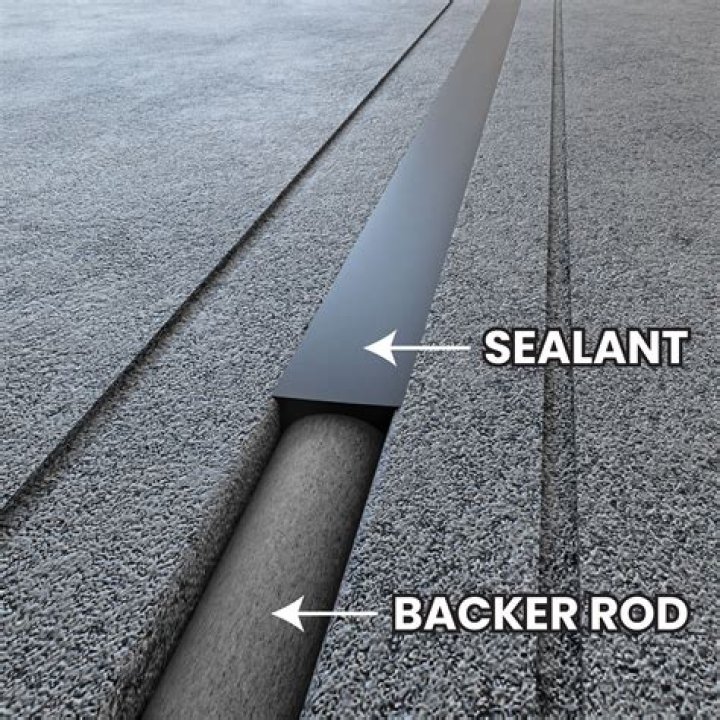
The key distinction between a caulk and sealant? … Caulk is typically made from a mixture of latex and acrylic materials, which make it more rigid and prone to shrinking when cured. A sealant offers superior elasticity and water resistance because it primarily contains silicone.
Can I use caulk instead of sealant?
The terms “caulk” and “sealant” are often used interchangeably, since both are used to fill joints and seams. … Sealants hold up better in spaces that are prone to a lot of expansion and contraction. For example, the best caulk for windows is usually a “sealant” instead of a true “caulk.” When choosing caulk vs.
Should I seal or caulk first?
With the caulk applied first, the 511 can then seal everything & you won’t have any chance of caulk adhesion problems. Sealers ruining or weakening caulk’s seal is common. This also will help to extend the life & color of the caulk, possibly even boost the caulks mold & mildew resistance. Thanks.
Can I use caulk instead of silicone?
Pros of caulk: Caulk dries quicker than silicone. It’s less tolerant to movement than silicone – should only be used in areas where there is little or no movement. Caulk is ideal for filling gaps in living areas like between skirting boards, picture rails and built-in furniture.Can I use caulk to seal a leak?
Even if your leak is heavy, caulk is still useful; it may seal the leak temporarily until a plumber can repair it. Repair leaky pipes with caulk.
Can mice chew through caulk?
Mice can chew through caulk. Notice the gnawed hole leading into the basement.
Should I use silicone or caulk for shower?
In general, sealant is the prefered sealing solution for bathtubs and showers, as it is more water resistant than traditional caulk. Silicone sealant forms a watertight seal that is resistant to heavy temperature changes.
What is caulk called in the UK?
Caulk is called caulk or caulk sealant or decorative caulk in The United Kingdom. And with different types of words all around the world. But most commonly, it is called Caulk or Sealant.Which is better silicone or caulk?
Caulk dries quicker than silicone and it shows good resistance to weathering, but it’s less tolerant to movement than silicone based sealants. Caulking is a sealant but is fairly rigid when dry, which makes it ideal for sealing gaps or seams in areas with minimal contraction and expansion.
Can you use caulk to seal a bath?For caulking around a bathtub, Tom recommends using anything that is 100% silicone. In the segment, he used 100% Silicone Sealant in White, which is manufactured by Gorilla Glue.
Article first time published onWhat happens when you caulk over grout?
If you caulk over grout lines, you will only temporarily fix cracked grout. … Caulk over grout will peel off over time because caulk will not bond well with grout. Mold can form between the caulk and grout. Mold that begins in your shower can spread to the walls behind the tile installation, causing damage to your home.
Should you use grout or caulk around a bathtub?
Grout or Caulk Between Floor Tile and Tub: Which Is Better? … Since you are joining two different materials together, you should use caulk in the space where the floor tile and tub meet. Grout is not flexible, so it’s not the best material for the job, while caulk allows for movement and also provides a better sealant.
Can I caulk over grout?
Generally speaking, caulking over grout is not a great idea. … However, if you’re attempting to replace the grout connecting the bathtub to the floor, or filling the space between two tiles or stones, your best bet is to re-grout it.
What can caulk be used for?
Caulk is used as a sealant for filling cracks or gaps around windows, doors, plumbing and pipes. When applied properly, it can prevent water, bugs or air from entering your home. To learn how to use caulk, watch our video: How to Use Caulk.
What is the best sealant to use in a shower?
Caulk made of pure silicone or siliconized latex/acrylic (i.e., latex or acrylic caulk with added silicone) adheres well to common shower and tub materials, including porcelain, ceramic, stone, fiberglass, and glass. Choose pure silicone for a more durable caulk job that you don’t intend to paint afterward.
What is the best sealant for showers?
- UniBond Anti-Mould Sealant. The best bathroom sealant overall. …
- Everflex 500 Bath & Sanitary Silicone. A versatile all-rounder. …
- Gorilla Glue Mould Resistant Sealant. Water-ready within 30 minutes. …
- Dowsil 785 Sanitary Sealant. …
- Forever Clear Anti-Mould Bathroom Sealant. …
- 151 Silicone Sealant.
What's the best caulking for a bathtub?
Silicone and latex are the two best choices for caulking a bathtub. Silicone adheres best to slick, nonporous surfaces such as glass, ceramic tile and metal. Latex is better for uneven, porous or mismatched surfaces such as stone tiles or wood trim near the base of the tub.
Will silicone caulk stop mice?
Cracks in a home’s foundation are a common entry point for mice, rats and other rodents to make their way indoors. You can fill any cracks in your home’s foundation with silicone caulk to deter rodents from entering your home through this entry point.
Does silicone sealant stop mice?
Excellent For Proofing Against Rats and Mice Special silicone sealant incorporating stainless steel fibres within the silicone in a standard mastic caulking tube. This sealant, once set, will deter rats and mice from chewing through. Ideal for small holes and gaps where mice are known to be active.
Will silicone sealant keep mice out?
Mice can fit through very small holes – as small as a dime, or more commonly, through gaps in building architecture, as small as 3/8 inch. … I also like to use a sealant that blocks off air flow – such as silicone caulk or polyurethane, so that mice can’t smell the former entry hole and try to chew their way in.
What's another word for caulking?
fillergroutoakumpitch
Should I use caulk or silicone around windows?
For long-lasting protection around your windows, choose a high quality caulk made from silicone or polyurethane. 100% silicone caulk or a mix of silicone and latex, is waterproof, flexible, shrink-proof and will last over 20 years.
What's the difference between silicone and sealant?
Due to the low surface energy of cured silicones, it is almost impossible to get anything to easily stick to silicone. Because of this special glues and surface preparations are needed to bond cured silicones to another material. Sealant is a compound used to seal things. Silicone sealant is only one type of sealant.
Is polyfilla a caulk?
Polyfilla Decorators Caulk is a flexible permanent acrylic sealant specially formulated for internal and external use in areas subject to movement. … For larger holes, partially fill using Polyfilla Expanding Foam Filler before applying Caulk.
What did they use before caulk?
The first known mention of materials similar to caulk come from medieval times. … As plumbing became more common, sealing wax was used more like caulk, to seal joints and other stressed areas in plumbing. People often made repairs using softened sealing wax.
What is the difference between grout and caulk?
Caulk is made from polymers like silicone, latex, rubber, or polyurethane, which means it’s flexible and can help absorb movement. Grout, on the other hand, is made from a mixture of water, cement, and sand. These materials aren‘t flexible and dry harder than caulk.
Should you fill bathtub before caulking?
Kim from London, Ontario suggests filling the bathtub with water before caulking between the tub and the tiles. If you fill the tub first, you sink the tub to start with. … Then caulk and leave the water for at least 24 hours so that caulking has a chance to cure thoroughly.
Does bathtub caulking tape work?
Peel and stick caulk does work, and can be an effective way to save you time, money, and that back-breaking pain you get from bending over a bathtub for too long.
Can I patch shower grout with caulk?
Cracking is the most common cause of damaged grout. … You can remedy this by using caulk to fill in the cracks and restore the look of the grout. First, remove all loose and cracked grout with a grout saw or Dremel tool. Apply the caulk gently to the cracks, smoothing it down with a plastic spoon.
Will caulking stick to sealed grout?
Question: Will caulking stick to sealed grout? Answer: Although caulk may have trouble sticking to sealed grout, using silicone grout will make the job easier.
Can you use caulk instead of grout between tiles?
Caulk is used to waterproof joints for space like bath tubs, showers, windows etc. Caulk is strong enough to adhere to tile surfaces without crevices. … Caulk may shrink or dry out over time, which is why it shouldn’t be used in large installations or as a replacement for grout.