Do pea plants need fertilizer

David Jones
Published Jun 25, 2026
Peas need less fertilizer than other crops. Plant seeds as soon as the ground has thawed and the soil is workable.
When should you fertilize peas?
Fertilize peas a second time after the first harvest if the plants seem weak or are producing poorly. Robust, heavily producing plants don’t require a second fertilization. Apply a low-nitrogen fertilizer, such as a 5-10-10 blend, at half the rate recommended on the label.
What do I feed peas?
Peas like rich, well-drained soil. They benefit from a little nitrogen fertilizer at planting time, because it takes several weeks before the root nodules are able to produce nitrogen. Peas are rarely bothered by insects or disease and are usually ready to eat about three weeks after they start to flower.
Should I Feed My pea plants?
Don’t feed your pea plants, just incorporate plenty of organic matter into the soil before planting. Harvest your peas every day to encourage more pod production.Why do farmers not need to add fertilizer when growing peas?
because pulses are leguminious plants. they have a bacteria on their root nodules which convert atmospheric nitrogen into nitrogenous compounds which was later absorbed by plant . they gain enough nitrogen for that so the farmers didnt need to apply nitrogenous fertilizer seperately.
How much fertilizer do peas need?
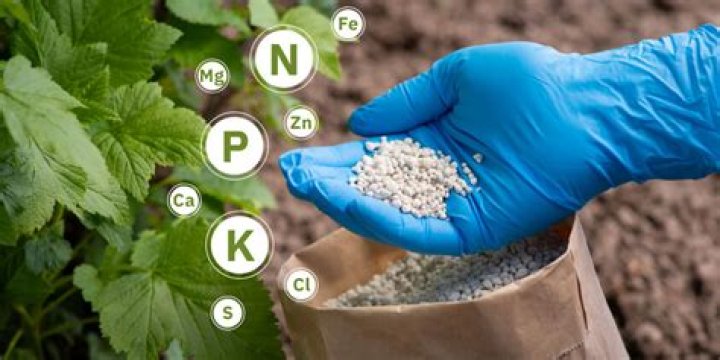
Because peas are good foragers, they don’t need much fertilizer – especially nitrogen. A day or two before planting, broadcast three to four pounds of 5-10-10 commercial fertilizer over each 100 square feet of garden space. Then work it into the top two to three inches of soil.
What's the best fertilizer for peas?
Peas grow best in soil with a pH between 6 and 7.5. Use well-rotted manure or compost at planting. Continuous use of high phosphorus fertilizer such as 10-10-10 or 15-30-15, or high rates of manure or manure compost results in phosphorus buildup in the soil.
Can peas be grown in pots?
Peas are the perfect vegetable to grow in a container garden. They grow quickly and don’t need much attention but will yield a surprisingly large harvest for a little bit of effort. The must-haves when it comes to growing peas are full sunlight and moist soil.How often do you water peas?
Growing peas is pretty easy, but there is some maintenance needed throughout the growing season: Water only when there is not enough rain to provide about an inch (2.5 cm.) of water per week. Spring is usually wet, so some years you won’t have to water at all.
Why are my peas not growing?Any number of poor growing conditions can also attribute to garden peas not producing. Cold, wet springs or hot, dry weather can impede the development of root nodules and inhibit nitrogen fixing. Planting peas too late in the season can cause the plants to turn yellow and die before setting pods.
Article first time published onHow do I help my peas grow?
Most peas, apart from dwarf cultivars, need supports to scramble up. For taller varieties, trellis, bamboo canes and netting are ideal, while smaller varieties can be supported with pea netting or pea sticks (twiggy branches). After flowering, plants need sufficient water for the pods to swell.
Do peas need lime?
Pea plants can grow in a range of soil pH levels, between 5.8, slightly acidic, and 7, neutral. … If the soil is too alkaline, add sulfur, if it is too acidic, add lime. The best time to add soil amendments is in fall to allow the soil to absorb and adjust over the winter.
Do peas need a lot of water?
Growing Peas Planting depth should be roughly 2 inches with a spacing of about 2 inches apart. Water well at planting and provide at least 1 inch of water per week, particularly during the flowering and pod production stages. As the temperature rises, the vines may need to be deeply watered almost every day.
What nutrients do peas need?
In terms of fertilize, peas need phosphorus and potassium, but excess nitrogen will encourage foliage growth instead of flowers or pods. Learn more about soil amendments.
Do we need to apply high amount of fertilizer to legumes crops?
Legumes, with the proper soil bacteria, convert nitrogen gas from the air to a plant available form. Therefore, they do not need nitrogen fertilization, and can even add nitrogen to the soil. … Whether as a replacement to fallow or part of annual rotations, the benefits of legumes go beyond nitrogen addition.
Do peas need inoculant?
Peas will grow and produce a crop without inoculation. However, inoculation with a nitrogen-fixing bacterium may be beneficial if peas have not be grown in the garden in the past. Pea inoculants can be purchased at garden centers and from mail-order catalogs.
Do peas need potash?
Root vegetables such as carrots, parsnips, peas and beans (pods are a better weight and colour) and fruit all appreciate potash.
Do peas need sun or shade?
For best results, peas need at least six to eight hours of full sun exposure daily. Pea plants will tolerate partial shade (especially in the hottest part of the day), but they will grow slower.
Do peas like coffee grounds?
Stocking up on coffee grounds for your vegetables, sowing peas, and planting asparagus are some of the spring activities for this year’s vegetable garden. Coffee grounds contain some major nutrients (nitrogen, phosphorus, and potassium) as well as some micronutrients, so put them to work in your garden.
Is bone meal good for peas?
Grow peas in rich, well-drained soil, in full sun. Give peas regular water keeping the soil evenly moist. Grow tall peas on poles, fences, or trellises. Give peas a complete fertilizer 6 weeks after planting; no fertilizing is necessary in soil prepared with well-rotted manure and bone meal.
What to plant after peas?
The most popular vegetable to plant after peas is cucumbers, which often can be trained up the same trellis used by the peas. Indeed, members of the squash family quickly make themselves at home in pea soil, and the same is true of root crops like carrots and parsnips.
Should I mulch my peas?
Before you walk away from them, don’t forget to mulch them! … The mulch will not only compost in place, but will prevent weeds from germinating, and helps keep the soil from drying out, which means less watering. It’s also a good idea to provide something for the peas to climb on.
Where do peas grow best?
Green Peas thrive in cool weather and young plants will tolerate light frosts. Once germinated, green peas adapt well to the cold, damp climate of early spring. Peas must be planted as early as possible in the spring to get a full harvest before hot summer temperatures arrive and put an end to production.
Can you over water peas?
ANSWER: Peas need a moderate amount of water to thrive and develop healthy pea pods. Peas rarely need watering more than once per week but they do require an even moisture level throughout the growing season.
Why is my pea plant dying?
Watering – under and overwatering – is the number one environmental reason for dying pea plants. All plants require a delicate balance of water to survive. Too much water leads to root rot and other fungal diseases. Too little water causes your plants to wilt and die.
Can you grow peas in a 5 gallon bucket?
A 5 gallon container will support many kinds of vegetables. It is perfect for growing peas.
Do peas need deep soil?
The roots of pea plants are relatively shallow, do you don’t need a huge big deep garden, they’re the perfect vegetable to grow in containers. It is easy to grow peas in pots on terraces, in your back yard or even on a small balcony.
Do peas need a trellis?
Green peas don’t need a trellis, but pods will be easier to pick when vines are held upright. If you’re using a trellis, insert it prior to planting. … Peas attach by tendrils, tiny stems that curl and encircle supports. Tendrils quickly wrap around slender supports to hoist vines skyward.
How do you protect peas from pests?
Sometimes young seedlings can suffer badly. If that has happened to you before then cover the young seedlings with insect mesh when you plant them or sow seeds. Chemical sprays are available available to control these pests, products such as Bug Clear Gun containing pyrethrum are the most effective.
How many days does it take peas to sprout?
Spacing Requirements: Seeds should be planted at a depth of ½–1 inch and between 2–3 inches apart. Space rows of peas at least 18 inches apart. Time to Germination: Typically germination occurs between 7 and 14 days. Special Considerations: Pea plants require a trellis to support their climbing habit.
How long does it take peas to grow?
Most pea varieties are ready to harvest 60 to 70 days after planting. To avoid damaging the stem, use one hand to hold the pea vine and the other hand to pull off the pea pods. After picking, promptly cool peas in a cold water bath, then dry them. Eat fresh peas soon after picking for the best flavor.