What does the endocrine system do for the respiratory system

Matthew Martinez
Published Jun 28, 2026
Progesterone and thyroxine have long been known to stimulate respiration. More recently, several hormones such as corticotropin-releasing hormone and leptin have been suggested to act as respiratory stimulants. Somatostatin, dopamine, and neuropeptide Y have a depressing effect on breathing.
How does the endocrine system work with the respiratory system?
How does the Respiratory System interact with the Endocrine System? There are certain hormones like adrenaline, which is released by the adrenal gland of the endocrine system, which help stimulate the respiratory activity through the increased rate of course contraction and relaxation of the diaphragm.
What body systems does the endocrine system work with?
The endocrine system works with the nervous system and the immune system to help the body cope with different events and stresses.
Does the endocrine system affect breathing?
Endocrine control plays a role, alongside other factors, in the regulation/adaptation of respiration in some disorders. Respiration as a vital function is not regulated by specific hormones.Are lungs part of the endocrine system?
Recent research has shown that the lungs not only participate in gas exchange, but perform an important endocrine function too. The pulmonary vascular bed is a unique system because of its position in the general circulation and its vastness.
How does the endocrine system work with the immune system?
The immune and endocrine systems ensure two vital functions in the body. The immune system protects us from lethal pathogens, whereas the endocrine system ensures proper metabolic function of peripheral organs by regulating systemic homeostasis. These two systems were long thought to operate independently.
What is an endocrine organ?
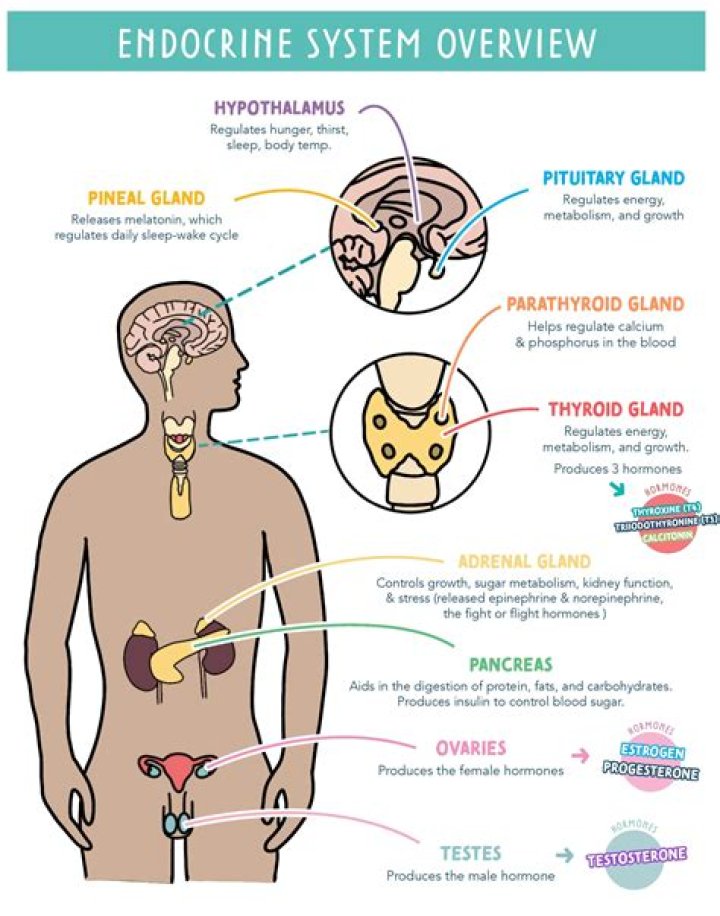
An organ that makes hormones that are released directly into the blood and travel to tissues and organs all over the body. Endocrine glands help control many body functions, including growth and development, metabolism, and fertility. Some examples of endocrine glands are the pituitary, thyroid, and adrenal glands.
Which hormone controls the rate of respiration?
Adrenaline controls the rate of respiration. Pons is the part of the brain which controls the rate of respiration.What is the role of hormone S in aerobic respiration?
Hormones T3 and T4 act inside every cell to produce energy, using slow but efficient aerobic respiration that requires oxygen to burn nutrients.
What hormone causes short breath?Estrogen increases progesterone-induced respiratory stimulation [67] and elevates mood [64]. These strong variations in estrogen and progesterone levels throughout a woman’s cycle will likely affect her respiration, mood and perception of dyspnea.
Article first time published onWhat is the main function of the endocrine system?
The endocrine system, made up of all the body’s different hormones, regulates all biological processes in the body from conception through adulthood and into old age, including the development of the brain and nervous system, the growth and function of the reproductive system, as well as the metabolism and blood sugar …
What is the function of the endocrine system and how does it work?
What Does the Endocrine System Do? Endocrine glands release hormones into the bloodstream. This lets the hormones travel to cells in other parts of the body. The endocrine hormones help control mood, growth and development, the way our organs work, metabolism , and reproduction.
What is a major function of the endocrine system quizlet?
What is the function of the endocrine system? To control and regulate body functions. Hormones help maintain homeostasis on a daily basis and regulate the activity of smooth and cardiac muscles, and some glands.
What is endocrine and exocrine?
Endocrine glands are the glands that secrete hormones without ducts, while exocrine glands secrete hormones through ducts. … Secretory products are released to an internal organ or the external surface through a duct. Examples. Thyroid glands, parathyroid glands, pituitary glands, adrenal glands.
How does the endocrine system affect behavior?
Hormones regulate behaviors such as aggression, mating, and parenting of individuals. Hormones are involved in regulating all sorts of bodily functions, and they are ultimately controlled through interactions between the hypothalamus (in the central nervous system) and the pituitary gland (in the endocrine system).
What endocrine gland regulates immunity?
The thymus is responsible for producing and maturing lymphocytes, or immune cells. These include T cells, a type of white blood cell that defends the body from infections. Additionally, the thymus suppresses the effects of aging, according to a 2016 study. Hormones released by the thymus inhibit the aging processes.
Does progesterone stimulate respiration?
Progesterone injected into the region of nucleus tractus solitarii, a respiratory-related area in the medulla oblongata, also caused a prolonged stimulation of respiration. … We conclude that progesterone acts centrally through a steroid receptor-mediated mechanism to facilitate respiration.
How does estrogen affect the respiratory system?
Emerging data suggest that female sex hormones play a role in these inflammatory airway conditions, through different but related mechanisms. Studies have shown that estrogen promotes a TH2 response, while androgen promotes a TH1 response, which may be relevant in asthma.
Which part of the brain controls respiratory function?
The respiratory center is located in the medulla oblongata and is involved in the minute-to-minute control of breathing.
Why can't I breathe when I'm on my period?
Generally, if you soak through one or more pads or tampons an hour, you have menorrhagia — an abnormally heavy menstrual flow. Along with the heavy bleeding, you might have signs of anemia, such as fatigue or shortness of breath. A heavy menstrual flow is common.
What causes female estrogen?
The woman’s ovaries make most estrogen hormones, although the adrenal glands and fat cells also make small amounts of the hormones.
Why is it harder to breathe during my period?
Just before and during your period, progesterone and estrogen levels decrease. In some women, these hormone changes may worsen asthma. The relationship between hormones and asthma is complex, varies from person to person, and isn’t fully understood.
What are 5 main functions of the endocrine system?
- Metabolism (the way you break down food and get energy from nutrients).
- Growth and development.
- Emotions and mood.
- Fertility and sexual function.
- Sleep.
- Blood pressure.
What are the 3 main functions of endocrine system?
- Metabolism (the burning of fuels by the body)
- Growth and development.
- Sexual function and reproduction.
- Blood pressure.
- Appetite (satiety and hunger)
- Sleeping and waking cycles.
What are four functions of the endocrine system?
- metabolism.
- growth and development.
- sexual function and reproduction.
- heart rate.
- blood pressure.
- appetite.
- sleeping and waking cycles.
- body temperature.
How does the endocrine system affect the body's functions quizlet?
The endocrine system is in charge of regulating the functions of organs in the body, these glands help to maintain the body’s homeostasis. Cellular metabolism, reproduction, sexual development, sugar and mineral homeostasis, heart rate, and digestion are among the many processes regulated by the actions of hormones.
What is an endocrine gland and what are the functions of hormones quizlet?
an endocrine gland is defined as all tissues or glands that secrete hormones. The functions of hormones include the control of exercise metabolism and the regulation of body fluids and electrolytes during exercise.
What are the 3 main functions of the endocrine system quizlet?
The endocrine system makes hormones that are intended to keep homeostasis, infulence metabolism, regulate growth, controls sexual reproduction, and responsible for nourishment of the baby. Pituitary, Pineal, Hypothalamus, Thyroid, Parathyroud, Thymus, Adrenal, Pancreas, Overy, Testes.
Which functions does the endocrine system help regulate check all three that apply?
The endocrine system is the collection of glands, each of which secretes different types of hormones that regulate metabolism, growth and development, tissue function, sexual function, reproduction, sleep and mood, among other things.
What would happen without endocrine system?
Without your endocrine glands — and the hormones they release — your cells wouldn’t know when to do important things. For instance, your bones wouldn’t get the message that it’s time for you to grow and get bigger. … It makes hormones that are important for growth and it helps you stay alert and full of energy.
Why is the endocrine system so important in maintaining homeostasis in the human body?
The endocrine system plays an important role in homeostasis because hormones regulate the activity of body cells. The release of hormones into the blood is controlled by a stimulus. For example, the stimulus either causes an increase or a decrease in the amount of hormone secreted.