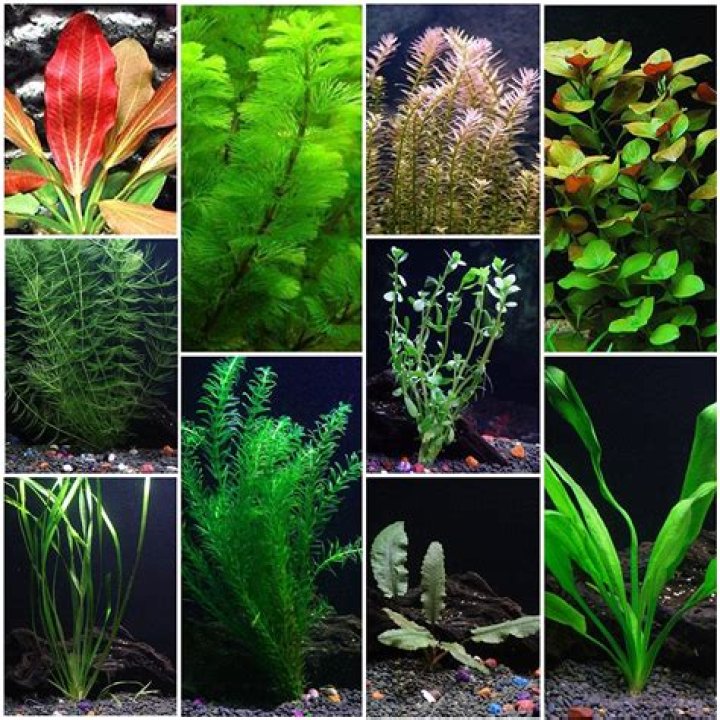
What are Aquarium stem plants

Isabella Campbell
Published Jun 25, 2026
Easiest/Low-tech: Egeria Densa. … Color-changing: Rotala Orange Juice. … Fast-growing: Water Wisteria. … Unique: Ludwigia Senegalensis. … Flowering: Bacopa Monnieri. … Overall Favorite: Ludwigia Natans Super Red.
How do you grow aquarium stem plants?
Plant each stem deeply, at least 2 to 3 inches into the ground, which means the substrate may cover some of the bottom leaves. Don’t plant the stem plants all in a single bunch but rather individually with a little space between so that the roots have some room to grow.
How do aquarium stem plants get nutrients?
Stem plants like Bacopa and Green Pennywort will absorb nutrients through the water column from their leaves. Some other plants don’t grow roots into the substrate at all, so their only source of nutrients is from the water via their leaves and stem.
Do aquarium stem plants need substrate?
Rhizome, floating, and stem plants primarily absorb nutrients directly from the water column, so keep them well-fed with a comprehensive fertilizer like Easy Green. … While almost any substrate material can be used to grow aquarium plants, remember to avoid the extremes when it comes to substrate size.Which stems are present in aquatic plants?
QuestionComplete the blanks . _____(1) stems are present in aquatic plants ._____ (2) are present to reduce their weight on water.Type of AnswerVideo & Text
How do you keep stem plants in substrates?
For me the easiest way is to bend the bottom inch of the plant into an L shape, then cover it with gravel. This usually works, although with some stem plants you might risk breaking the stem. Another way that can work is to use leaves from the stem as anchors and plant them under the substrate.
What are the examples of stem?
The edible stalks of plants when the stalk/stem is the main part of the vegetable. Examples are celery, asparagus, kohlrabi, rhubarb and turmeric. This is a video developed by vegetables.co.nz presenting the vegetables category, stems.
Do live plants in aquarium need soil?
It is not necessary to have a soil substrate to keep live aquarium plants in your tank. You can keep most of the aquarium plants without soil substrate. You can plant the plants in sand or gravel substrate. Also, you can keep live aquarium plants without any substrate!Do aquarium plants grow better in sand or gravel?
A few of the burrowing species prefer sand, but most do fine on gravel if they have rocks and things to hide under. Gravel is also the ideal choice for growing aquatic plants since it allows roots to take in nutrients from the water flowing through the substrate.
Do stem plants need root tabs?Stem plants like bacopa and moneywort can absorb fertilizer from the water or ground, but they seem to prefer the former. … Plants that don’t need substrate to grow – such as mosses, floating plants, anubias, and java fern – typically do not use root tabs as much.
Article first time published onHow do you keep aquarium plants healthy?
Most aquarium plants do best at a pH between 6.5 and 7.8, general hardness of 50 ppm to 100 ppm and alkalinity between 3° and 8° dKH (54ppm – 140 ppm). Nitrates should be below 10 ppm and phosphates below 0.5 ppm to prevent nuisance algae from growing on leaves. Temperature should be between 74° and 80° F.
Do aquarium plants need plant food?
Yes, aquarium plants can grow without fertilizers. Plants require several micro and macronutrients for their proper growth. And plants can get some of these nutrients from the waste produced by inhabitants in your aquarium and from the environment.
Which plant is best for aquarium?
- Money Plant. Money plants can be placed on the top of the aquarium and allowed to grow roots in the water. …
- Java Moss. Java moss is one of the most common aquarium plants, which is easy to maintain and difficult to kill. …
- Anacharis. …
- Java Fern. …
- Hornwort. …
- Amazon Sword. …
- Water Wisteria.
What are plants that grow in water called?
Aquatic plants are plants that have adapted to living in aquatic environments (saltwater or freshwater). They are also referred to as hydrophytes or macrophytes to distinguish them from algae and other microphytes. A macrophyte is a plant that grows in or near water and is either emergent, submergent, or floating.
What is a floating plant?
Floating plants have leaves that float on the water surface. Their roots may be attached in the substrate or floating in the water column. Submersed macrophytes are also rooted to the bottom but their leaves grow entirely underwater.
What are the 4 types of stems?
- Decumbent: stems that lie flat on the ground and turn upwards at the ends.
- Fruticose: stems that grow shrublike with woody like habit.
- Herbaceous: non woody, they die at the end of the growing season.
- Internode: an interval between two successive nodes.
What are the plants that grow from stem?
- Mums.
- Song of India.
- Rose.
- Butterfly Bush.
- Hydrangea.
- Angel’s Trumpet.
- Gardenia.
- Dahlia.
Is asparagus a stem?
Asparagus grows from an underground root system of fleshy storage roots attached to an underground stem called a rhizome and small feeder roots that absorb nutrients and water.
Can you plant stem plants in gravel?
Since gravel is the most widely used substrate, these aquarium plants have to be embedded into it. Planting of these aquarium plants promotes the absorption of ammonia and helps create a favorable environment for fish as well as their babies. These plants are capable of growing pretty well in gravel such as pea gravel.
How do you secure stem plants in an aquarium?
It’s important to not just squeeze them onto the plant as it will hinge and crush the plant stem. I first bend the weight into a ‘C’ shape around then end of my tweezers. Slip the plant stem into this ‘C’ and ever so slightly squeeze it around the plant. It doesn’t take much force at all to secure it.
How do you weigh down stem plants in an aquarium?
Put a Heavy Weight around the Plant’s Base To hold the plant down, you can add some lightweight pebbles and aquarium rocks to hold it in place. So if the sand does move, your plant won’t – it’ll be weighed down by the rocks you’ve arranged around its base.
What do you plant aquarium plants in?
Layer the bottom of the aquarium with 2 to 3 inches (5-8 cm) of aquarium gravel (that’s about 1½ pounds of gravel per gallon of water), or other substrate designed for plants. Add aquarium-plant fertilizer according to the instructions on the label. Fill the aquarium halfway with water. Add plants.
Can I put live plants in aquarium gravel?
But first, the short answer to the question is Yes, you can grow aquarium plants in gravel, both in new and established tanks. All you need is fish safe pond rocks, rubber bands, and your plants. To plant, attach your plant to the fish safe-rock using a rubber band slightly above the roots.
What fish will clean the bottom of my tank?
Plecos. The Pleco Catfish is a very popular bottom cleaner worldwide. This is a fish that grows up to 2 feet long during the span of 20 years. So, keep this in mind, if you plan to buy one into your tank.
Can I put houseplants in my aquarium?
There are several common houseplants that may be suitable for use in an aquarium including: Pothos. Vining philodendron. Spider plants.
How often should you change live plants in a fish tank?
2-3 times per week will help reduce the risk of algae outbreaks during the most fragile stages in the life of your aquarium. Your tank will mature over time and only then should you reduce the frequency of water changes each week.
How long do live plants last in an aquarium?
Aquarium plants can live up to 3 days without light, but for more fragile plants I would definitely recommend keeping it under 2 days. Leaves will turn pale quickly, and can in turn weaken the plan.
What is the fastest-growing water plant in the world?
The tiny aquatic plant Wolffia, also known as duckweed, is the fastest-growing plant known.
What makes aquarium plants grow faster?
Having a fertilizer and nutrient rich substrate will make your aquarium plants grow faster. … Now, if you have plants that do not really develop a large root system, especially if you have floating plants that don’t even touch the substrate, you will want to add some liquid fertilizer and nutrients into the water.
What is the fastest-growing plant?
Summary: Wolffia, also known as duckweed, is the fastest-growing plant known, but the genetics underlying this strange little plant’s success have long been a mystery to scientists. New findings about the plant’s genome explain how it’s able to grow so fast.
Do Aquarium root tabs dissolve?
Because root tabs are water soluble, the key is to insert them into the substrate as quickly and deeply as possible. … (Do not remove the fertilizer from the capsule or else it will dissolve in the water column.) Plunge the root tab as deeply as possible into the substrate, preferably underneath the roots of plants.