Is the second step in value based pricing

Lucas Hayes
Published Jun 26, 2026
That’s why competitive research is the second step in value-based pricing.
What is usually the first step in value-based pricing?
The first step when calculating value-based pricing is to determine who you’re targeting and what product or service you’re pricing. Think about the product specifications, then consider the features you offer with it and whether you always offer the features or not.
What is value-based approach in pricing?
What is Value-Based Pricing? I like to use this definition: “Value-based pricing is the method of setting a price by which a company calculates and tries to earn the differentiated worth of its product for a particular customer segment when compared to its competitor.”
What are the two types of value-based pricing?
- Good-value pricing, which is offering the right combination of quality and service at a reasonable price and.
- Value-added pricing which is attaching value-added features and functions to differentiate an offer, thus supporting higher rates.
Is the third step in value-based pricing quizlet?
Terms in this set (21) Determining the costs that can be incurred is the third step. Designing products to deliver the desired value at the target price is the fourth step.
What is value-based pricing example?
Value-based pricing in its literal sense implies basing pricing on the product benefits perceived by the customer instead of on the exact cost of developing the product. For example, a painting may be priced as much more than the price of canvas and paints: the price in fact depends a lot on who the painter is.
How do you do value-based pricing?
- Analyze your customers. Because your price point will be exclusively based on what your customers are willing to pay, you’ll need to confidently know what that price point is. …
- Analyze your total addressable market. …
- Conduct a competitive analysis.
What is a values based approach?
Values-based practice is an approach to supporting clinical decision-making, which provides practical skills and tools for eliciting individual values and negotiating these with respect to best available evidence.How does cost based pricing differ from value-based pricing?
Value-based pricing relies on customers’ subjective assessment of a product’s worth, while cost-based pricing considers what it cost to produce it and how much customers are willing to pay. Value-based pricing is more common for services and cost-based pricing is more common for physical products.
When should we use value-based pricing?Value-based pricing is used when the perceived value of the product is high. The strategy tends to involve products that possess a certain level of prestige in ownership or are completely unique. Designer apparel companies are well-known for using value-based pricing.
Article first time published onWhy you need value-based pricing?
Value-based pricing ensures that your customers feel happy paying your price for the value they’re getting. … You’ll also strengthen your brand name, build better customer relationships, and ultimately improve your bottom line. Value-based pricing is the only true win-win scenario for you and your customer.
What is value-based pricing in accounting?
Value pricing means grouping services into bundles for which you charge a set amount. The price is fixed up front. This means your clients know what they will be paying – and you know what you’ll be getting in return. Although this is a relatively new idea for accounting firms, it’s normal elsewhere.
Which of the following is the third step in setting a pricing policy?
Setting the price based on cost is the third step in cost-based pricing. Convincing buyers of a product’s value is the fourth step in cost-based pricing.
What is value added pricing in marketing?
Value-added is the difference between the price of a product or service and the cost of producing it. The price is determined by what customers are willing to pay based on their perceived value. … The addition of value can thus increase either the product’s price that consumers are willing to pay.
What is cost price pricing?
Cost is typically the expense incurred for making a product or service that is sold by a company. Price is the amount a customer is willing to pay for a product or service. The cost of producing a product has a direct impact on both the price of the product and the profit earned from its sale.
Which of the following is true of value-based pricing?
Which of the following is true of value-based pricing? The targeted value and price drive decisions about what costs can be incurred and the resulting product design.
What is value-based pricing quizlet?
Value-based pricing. Setting price based on buyer’s perceptions of value rather than on the seller’s cost. Assess customer needs and value perceptions -> set target price to match customer perceived value -> determine costs that can be incurred -> design product to deliver desired value at target price.
How do I capture part of a value?
Answer: Value Capture is the process of retaining some percentage of the value provided in every Transaction. If you’re able to offer another business something that will allow them to bring in $1 million of additional revenue and you charge $100,000, you’re capturing 10% of the value created by the transaction.
How does Louis Vuitton use value based pricing?
For Louis Vuitton, the value of the product is based solely on the established image of the logo in people’s minds. A classic example of premium pricing, and a great one at that, LV has never shied away from pricing its products in a range that results in a very exclusive clientele.
How many companies use value based pricing?
Although the numbers vary slightly over time and industry, in practice, most companies (44%) use competitor-based pricing, while a somewhat smaller percentage (31%) use cost-based. Value-based adoption comes in last, with only 25% of companies citing this as their pricing orientation1.
What are the methods of pricing?
- Value-based pricing. With value-based pricing, you set your prices according to what consumers think your product is worth. …
- Competitive pricing. …
- Price skimming. …
- Cost-plus pricing. …
- Penetration pricing. …
- Economy pricing. …
- Dynamic pricing.
What is value based business?
A values based business is one that establishes a core set of values that represent who the company is, guides how it conducts its business, and acts as the check and balance on behavior, decisions, hiring & firing, and training & development.
What is value based organization?
A values-based organization (VBO) is a living, breathing culture of shared core values among all employees. … In a values-driven culture, employees find alignment between their personal values and the organization’s values creating a unified and motivated workforce.
What is value based service?
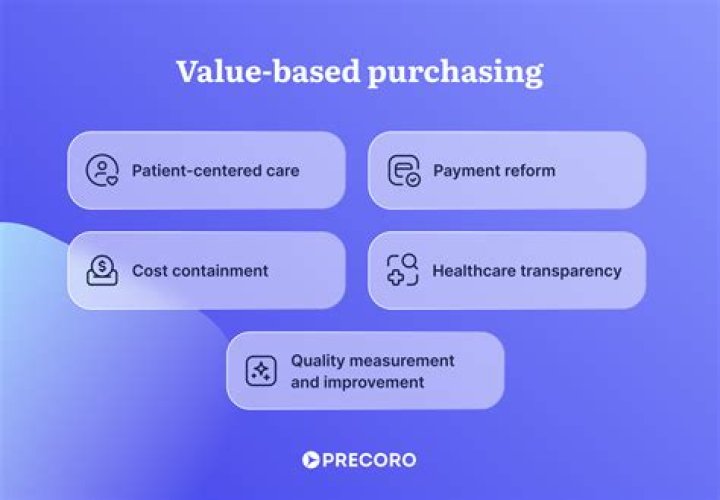
Value-based healthcare is a healthcare delivery model in which providers, including hospitals and physicians, are paid based on patient health outcomes. … Value-based care differs from a fee-for-service or capitated approach, in which providers are paid based on the amount of healthcare services they deliver.
Why does value-based pricing are not reliable?
Value-based pricing isn’t a hard number; it’s an approximation. It’s not 100% reliable because price sensitivity measurements and feature analysis only give you approximations of the right pricing, packaging, and positioning for your product.
Which is better cost based or value based pricing?
Prices. When a company uses cost-based pricing, it prices between the price floor and the price ceiling. … If it uses value-based prices, the company sets its pricing in a range determined by what customers are willing to pay. Generally, the value-based price is higher.
What is value based pricing in b2b?
The value based pricing approach is based on analyzing each customer’s needs, pains and gains, and their willingness to pay. It depends on the customer interest and acceptance of price for a provided value. Here, the price is set for the offered value, and later the scope of the service itself is determined.
Why is value based pricing considered to be so powerful?
That’s why value-based pricing is so powerful — it factors in every part of the pricing and marketing mix. Once established, a great value-based pricing strategy strengthens your brand promises, stays agile in the market, and gives you more insights into what customers want from your product.
What are the different steps in setting up pricing policy?
- Setting price objectives: Refers to set the goals of the pricing policy. …
- Estimating the product demand: Helps in knowing the factors that affect the demand of a product. …
- Analyzing the competitor’s prices: …
- Selecting the pricing method: …
- Selecting the pricing policy:
What are the steps in the price setting process?
The six stages in the process of setting prices are (1) developing pricing objectives, (2) assessing the target market’s evaluation of price, (3) evaluating competitors’ prices, (4) choosing a basis for pricing, (5) selecting a pricing strategy, and (6) determining a specific price.
Which of the following is not a step in setting price?
The answer is b. the cash balance is not a consideration when setting the selling price of the product.